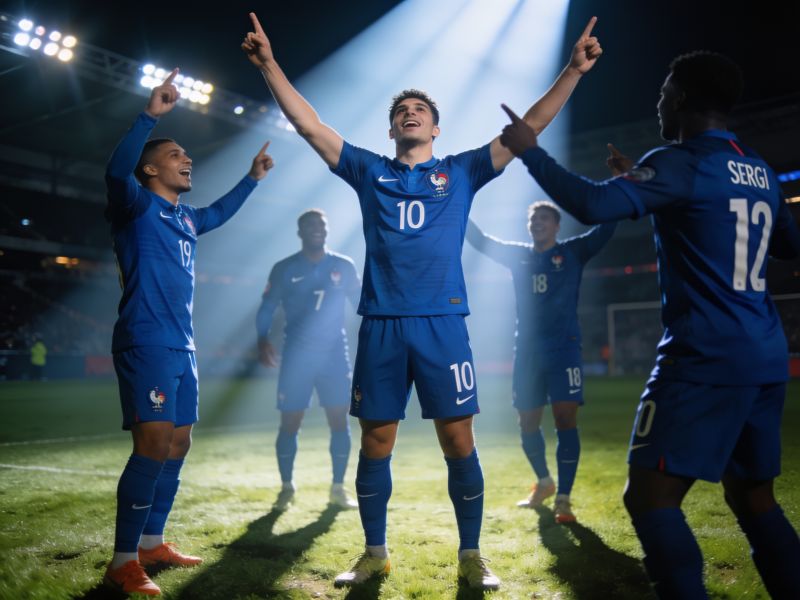
Christian Eriksen will have a defibrillator implanted after doctors confirmed that the Denmark midfielder needs an implantable cardioverter-defibrillator following his cardiac arrest during the European Championship. The announcement came days after Eriksen collapsed on the pitch in Copenhagen, turning a football match into a tense medical emergency witnessed by millions. The device, commonly known as an ICD, can monitor the heart’s rhythm and deliver an electric shock if a dangerous abnormality occurs. Denmark’s team doctor, Morten Boesen。said the recommendation followed several examinations and discussions with specialists. Eriksen was conscious in hospital and able to speak with teammates, but the decision showed that the medical team was treating the incident with the utmost seriousness.
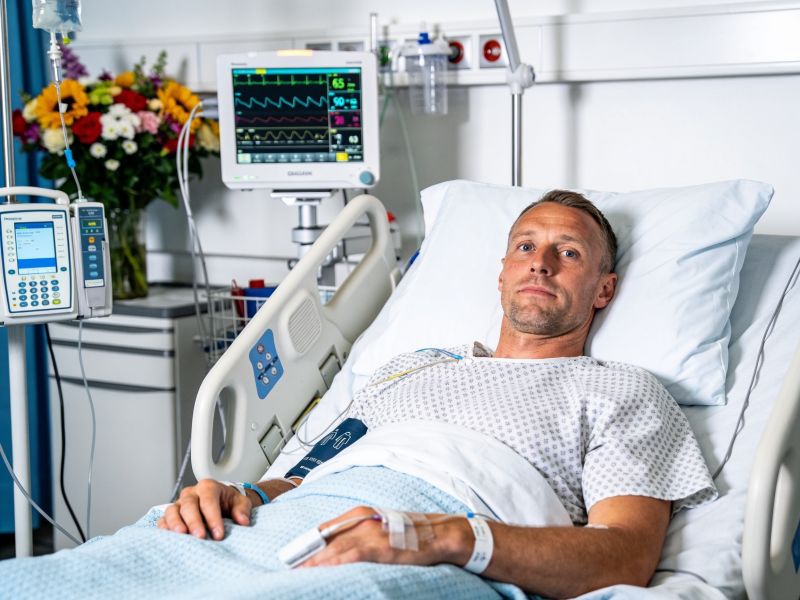
Eriksen will have a defibrillator implanted because the heart rhythm problem that caused his collapse remains a concern even after his condition stabilized. An ICD is not the same as a traditional pacemaker, although some devices can perform both functions. Its main role is to detect life-threatening rhythms, including ventricular fibrillation。and respond within seconds. For a professional athlete, the presence of such a device can raise difficult questions about training, competition and long-term health. It can also provide reassurance to the patient and family, particularly after an episode in which immediate resuscitation was crucial. On the field, Denmark’s medical staff began CPR and used a defibrillator before Eriksen was taken to hospital. That rapid response was widely credited with saving his life.The collapse occurred late in the first half of Denmark’s match against Finland at Parken Stadium. Eriksen had been moving toward a throw-in when he suddenly fell forward, with no opposing player involved in the incident. Teammates quickly formed a protective circle around him while medical workers worked on the pitch. Captain Simon Kjaer helped place Eriksen in a safe position and later comforted his partner。Sabrina Kvist Jensen, as the situation unfolded. The stadium fell almost completely silent. Television viewers saw very little of the treatment, but the images of Denmark’s players standing shoulder to shoulder captured the fear and uncertainty of those minutes. When UEFA announced that Eriksen was awake and stable, relief spread through the stadium and across the football community.The planned implantation also placed renewed attention on the rules governing athletes with heart conditions. In some countries, players with an ICD may return to competition after detailed testing, while in others the decision depends on national medical guidance。the cause of the cardiac arrest and the physical demands of the sport. Football itself involves repeated bursts of intense exertion, sudden changes of direction and significant emotional stress, all of which must be considered before a return. Doctors would need to establish whether Eriksen had an underlying heart disease, assess the device’s position and examine how it responded during exercise. A successful procedure would not automatically mean an immediate return to football. Recovery would require patience, repeated scans and conversations involving cardiologists, club doctors, national-team staff and Eriksen himself.For Eriksen, the announcement was both sobering and hopeful. A defibrillator implanted in the chest would serve as a permanent safeguard, but it would also become a visible reminder of how quickly a normal match can turn dangerous. Eriksen will have a defibrillator implanted not because doctors have given up on his career, but because they are creating the safest possible conditions for his future. His case also strengthened calls for defibrillators and trained medical personnel to be available at every level of football, from major international stadiums to local community grounds. The incident demonstrated that emergency equipment matters only when people know how to use it, and that minutes can decide whether a cardiac arrest ends in tragedy or survival. Eriksen’s next chapter would depend on medical evidence rather than sentiment。
yet the support from teammates, fans and fellow players made clear that his importance extended far beyond the scoreboard.